What to Ask Emergency Plumber Before Hiring
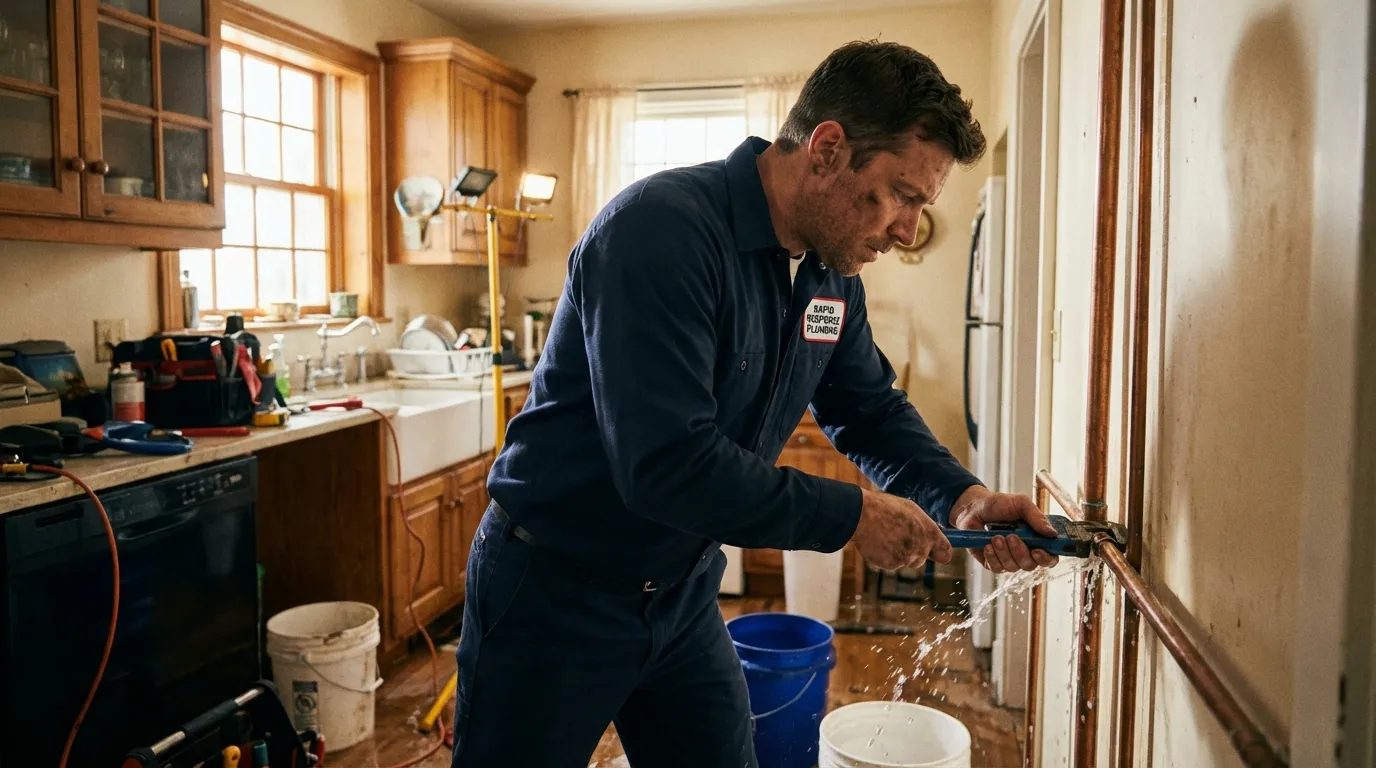
TLDR; Plumbing emergencies are stressful, but asking the right questions before hiring an emergency plumber can save time, money, and further damage. Homeowners should confirm true 24/7 availability, response time, transparent pricing, proper licensing and insurance, and whether the repair is a lasting fix or temporary. It’s also important to ask what immediate steps will be taken to limit water damage and what you can do while waiting, such as shutting off the water. Finally, understanding how to prevent the issue from happening again helps turn a crisis into a long-term solution rather than a repeat emergency.
Plumbing emergencies never wait for a good moment. A pipe can burst in the middle of the night. A toilet overflows. Water starts collecting under the sink right before guests arrive (of course it does). The timing is usually awful, and stress shows up fast. Most homeowners grab their phone and search “emergency plumber near me” without thinking twice. When water is spreading and nerves are high, that response makes sense, and most people would likely do the same.
The urgency is real. Water damage often spreads faster than people expect and doesn’t pause for anyone. Floors, walls, cabinets, and drywall can be affected within minutes, and that’s real damage, not just cosmetic issues. Recent housing data shows about 1 in 60 U.S. homes deal with water damage each year, with the average insurance claim rising above $13,000. That’s why calling a 24/7 plumber can feel like the only option in the moment.
Still, there’s a tough truth. Not every 24/7 plumbing service is reliable. Some do great work. Others show up late, or don’t show up at all. Surprise charges after the job are common, and some companies operate without proper licensing or insurance. In emergencies, rushed choices often make problems worse, sometimes faster than expected.
This guide explains what to ask before hiring a plumbing service that claims 24/7 availability. It looks at response time, pricing, experience, and safety steps, simple checks that usually help. It also shares prevention tips to lower the chance of future emergencies. And if a pipe has already burst, the goal is to help slow the situation enough to make a smarter call, even under pressure.
Why Asking the Right Questions Matters When Hiring an Emergency Plumber Near Me
When water is pouring into a home, every minute counts, and the situation is usually stressful. Panic is normal. Still, rushing forward without clear answers often leads to higher costs than expected. Emergency plumbing usually costs 1.5 to 3 times more than regular service, and that price jump isn’t always explained upfront, which can be frustrating in the moment.
Homeowners who ask the right questions often avoid real problems. One common issue is paying more than needed. Another is repair work that looks fine at first but fails again a few weeks later, which happens more often than many people realize. Timing also matters. Once water damage starts, it can spread fast, affecting floors, walls, and personal belongings, especially when the leak is hidden behind surfaces.
Industry data shows emergency service calls usually range from $150 to $500, with hourly rates between $150 and $350. Costs can change based on the time of day, location, and the type of repair needed. Asking about pricing early often cuts down on surprises when the final bill shows up, which is a relief for most homeowners.
The way questions are answered also says a lot about the plumber. A skilled emergency plumber is usually open to detailed questions and explains things clearly, even when everything feels chaotic. Vague or defensive answers can point to limited experience or extra fees that haven’t been mentioned. Clear questions add structure during a crisis and help homeowners feel more in control.
| Emergency Plumbing Cost Type | Typical Range | Notes |
|---|---|---|
| Service call fee | $150, $500 | Often charged before work begins |
| Hourly labor | $150, $350/hour | May increase nights or holidays |
| Emergency rate multiplier | 1.5x, 3x | Compared to standard plumbing |
Clear questions also make it easier to spot real professionals. Licensed plumbers explain what’s wrong step by step. Some walk through possible fixes, while others focus on safety first, which often matters most during a rushed “plumbing emergency near me” search and those quick phone calls that follow.
How Fast Can an Emergency Plumber Near Me Get Here and Is It Truly 24/7?
The label “24/7 plumber” sounds comforting, but it often comes with a catch. What usually matters more is how fast someone can actually show up, not just whether a phone rings at any hour. You feel that difference fast when water is spreading and every minute feels louder than the one before.
So how can you judge this in a useful way? A good clue is the arrival window they give you. A clear time range often points to real dispatching and plumbers who are truly on call, not a message service taking notes and hoping to sort it out later. Loose promises like “soon” usually suggest the opposite.
Who shows up matters too. In many cases, in-house plumbers get there faster because they already know the company’s tools, routes, and how things are done. That familiarity helps when stress is high and choices need to be made quickly.
Why does this problem show up most at night or during storms? Demand jumps during those times, and some plumbing service 24/7 providers book too many calls, which pushes arrival times back more than expected.
Response speed often affects the damage. One extra hour with a burst pipe can send hundreds of gallons into floors and walls. Knowing the real timing helps you decide whether to keep calling or start shutting off water and moving belongings. For planning ahead, there’s also this guide: how to prepare for plumbing emergency at home.
Additionally, you can learn more from our Emergency Plumbing Checklist for Homeowners, which helps you organize information before calling an emergency plumber near me.
What Will This Emergency Repair Cost and How Is Pricing Explained?
When something breaks out of nowhere, talking about money is usually the last thing you want to do. Stress is high, and the main focus is stopping the problem as fast as possible. That makes sense. Still, avoiding the pricing talk early often leads to frustration later, especially when the bill arrives. It’s usually smarter to ask how pricing works before any tools come out.
Emergency plumbing costs more for clear reasons. Crews stay on call 24/7, leave what they’re doing, and show up right away, there’s no long scheduling window. That higher cost can make sense, but only when it’s explained clearly. Industry research shows many homeowners get surprise charges simply because pricing wasn’t explained upfront.
A good place to start is with the basics. Ask if there’s a flat emergency fee, whether labor is hourly or fixed, and if parts are billed separately. Do nights, weekends, or holidays change the rate? They often do, so it’s worth asking.
Can the plumber give a written estimate before starting? Even in emergencies, reliable companies usually explain what to expect. That also makes quick comparisons easier. When pricing feels confusing or avoided, that alone can be a warning sign.
Btw, we wrote about this here: this breakdown of 24/7 plumber vs regular plumber cost explains why prices differ and what’s usually considered fair.
Moreover, if you want to understand fair pricing practices better, check out our Best Emergency Plumbers: What to Look For for detailed advice before hiring an emergency plumber near me.
Are You Licensed, Insured, and Experienced With This Exact Problem?
This is a question that shouldn’t be skipped, even if it seems obvious. It matters more than many homeowners think. Licensing and insurance are meant to protect you, not the plumber, and that becomes clear when something goes wrong.
A licensed plumber has met state or local rules before taking on jobs, which usually means basic training and some level of oversight. Insurance is different. It helps pay for property damage or injuries that can happen during the work, and those situations do happen. Without insurance, homeowners often end up paying out of pocket.
Experience with the exact issue also matters. A plumber who often fixes burst pipes may handle a sewer backup very differently, and that difference can matter. Sewer problems are especially risky because of health concerns, especially if kids or pets are around.
With ongoing labor shortages in plumbing, skill levels can vary a lot. Asking clear questions upfront often helps you avoid paying emergency rates for trial-and-error, which, in my view, rarely pays off.
For more insight on specific plumbing issues like backups, see Sewer Backup Emergency: What to Do and When to Call Help.
What Steps Will You Take Right Away to Limit Water Damage?
Water damage moves fast, so what happens in the first few minutes often shapes everything that comes next. Stopping the water is only part of emergency plumbing. Limiting the mess and hidden damage usually matters just as much, and sometimes more. Saying this out loud helps everyone stay focused.
What happens when the plumber arrives? In most cases, the first step is shutting off the main valve and draining the lines so water stops moving through the house. When a plumber explains this plan clearly, it’s often a reassuring sign they know what they’re doing.
Floors can warp quickly, and mold often starts within 24 to 48 hours. Acting fast helps keep repair costs from rising later, which most homeowners want to avoid.
Professional plumbers often look past the obvious leak. Water can slip behind walls or under floors, out of sight. Asking about moisture checks and next steps shows whether they’re thinking ahead, which can make a real difference.
| Water Damage Impact | Time Frame | Risk Level |
|---|---|---|
| Floor swelling | Within hours | High |
| Mold growth | 24, 48 hours | Severe |
| Structural damage | Days | Critical |
It’s also worth asking if they work with restoration services. Some 24/7 plumbing providers help guide you through what comes next once the leak is under control, which can make a stressful situation feel more manageable.
Will This Fix Last or Is It a Temporary Repair?
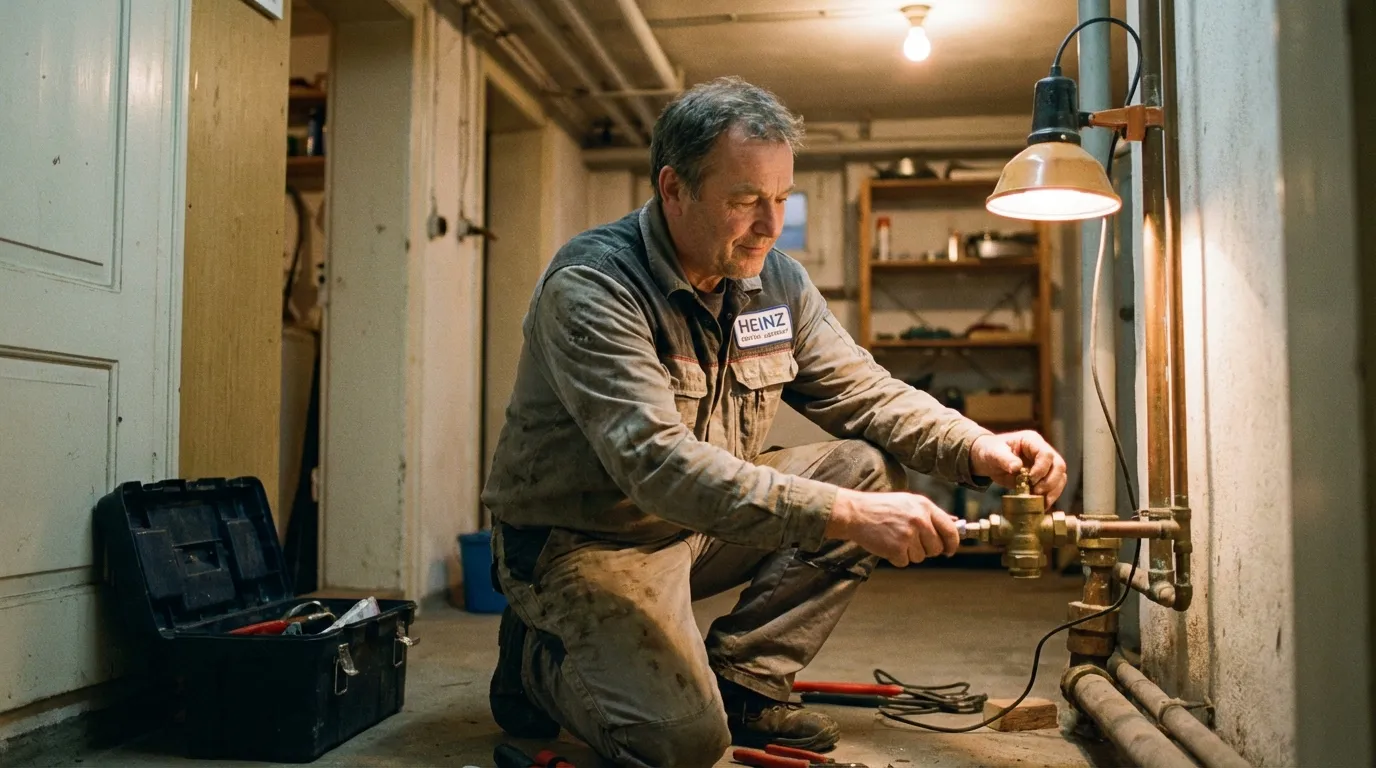
During emergencies, plumbers often use short‑term fixes to stop damage fast. That’s normal, and it happens a lot, especially with active leaks. What usually matters more is what happens after that first visit and how it affects the home over the next few days or weeks, not just today.
So is the repair meant to last, or is it just a temporary hold? That question really matters. If it’s temporary, it helps to know when full repairs should be done and which warning signs to watch for, like small drips, pressure changes, or strange noises. These details often shape what problems show up later.
A pipe clamp, for example, can stop a leak right away. But once pressure builds or materials shift, which is common, it may fail. In many cases, replacing the pipe is safer over time.
Temporary fixes aren’t bad. They just need follow‑up. Knowing how long a repair should last makes it easier to plan inspections and budget future work, with fewer surprises.
Clear communication helps homeowners plan ahead and builds trust. Reliable plumbers focus on long‑term safety and avoiding repeat emergencies, not just quick patches.
If you want to spot warning signs early, btw, we wrote about that here: 7 signs you need emergency plumber right now.
Additionally, our Complete Guide to Finding Local Emergency Plumber provides extra advice for homeowners looking for an emergency plumber near me that delivers lasting repairs.
What Can I Do Right Now While Waiting for the Plumber?
Waiting doesn’t have to mean feeling helpless. This question puts some control back in your hands, which can be a real relief during a stressful situation. A good emergency plumber often gives calm, clear advice over the phone before they arrive, and that support can lower stress almost right away.
They’ll often explain how to shut off the main water valve, usually found where the water line enters the home. In many cases, they also suggest turning off the water heater so it doesn’t keep refilling. Depending on the problem, they may explain how to lower water pressure or walk you through simple, step-by-step ways to contain a leak so it doesn’t spread. These instructions are usually easy to follow.
Steps like these can stop damage from getting worse and may save thousands of dollars. This shows the plumber is focused on protecting your whole home, not just fixing one pipe. While you wait, you can use towels and buckets to guide water away from valuables or move furniture and electronics out of the area.
How Can I Prevent This From Happening Again?
The best way is usually to avoid the emergency in the first place. Once things settle down, it’s easier to talk about ways to stop issues before they start, when planning feels doable and less stressful.
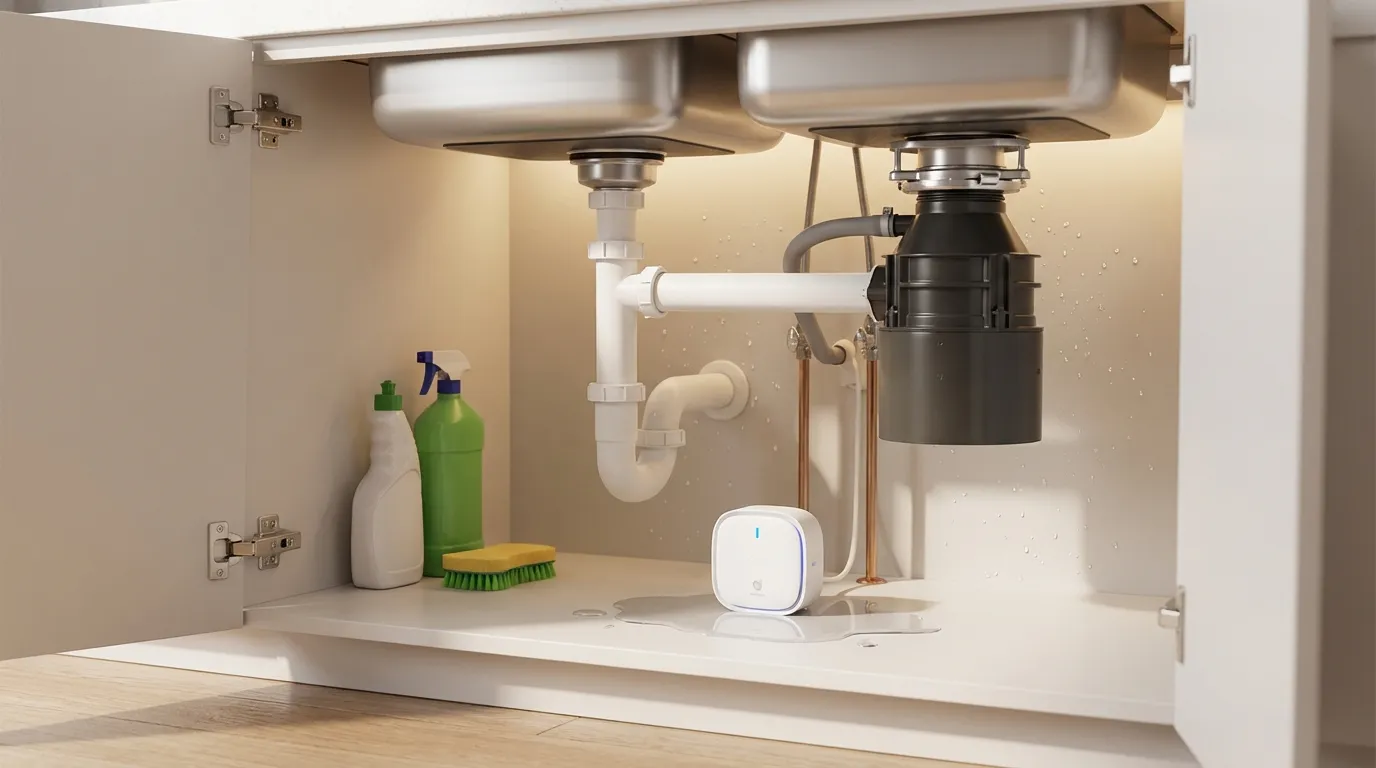
Modern plumbing includes smart leak detectors and automatic shutoff valves. These tools can notice moisture early and shut off water quickly, before it spreads to floors or walls, which is where repairs often get expensive.
Maintenance also makes a big difference. Small leaks add up to nearly 1 trillion gallons of water each year in U.S. homes, and problems that get ignored often turn into urgent and costly fixes.
Regular inspections and pipe insulation help lower risk, especially when advice fits a home’s age and materials. For instance, a renter reporting a slow drip early can stop damage from spreading.
Frequently Asked Questions
Plumbing emergencies can feel overwhelming (yeah, it’s pressure), especially when fast choices mix with high stress. This FAQ looks at the questions homeowners usually ask first: cost, safety, timing, and trust when picking a 24/7 plumbing service (in most cases). Keeping these answers close can help you feel steadier and less likely to scramble during an emergency.
Questions People Have
How do I know if I need an emergency plumber or can wait?
An active water leak or sewage problem that leaves a home without running water is usually an emergency (one). Waiting to fix it often causes property damage, may raise health risks, and still leaves you with no water.
Yes, emergency plumbing usually costs more because crews stay on call and show up faster when things break at bad times (yeah, it’s annoying). There’s coverage, so ask about prices upfront.
Can I trust an emergency plumber I find online at night?
At night, trust comes from staying calm and acting fast. Do a few quick checks. You’ll usually feel better after confirming licensing and insurance, skimming reviews, asking clear questions before arrival (this helps), and getting written estimates shared online first.
What should I do if the plumber arrives late?
You’ll find that asking for updates helps, why wait? Keep notes. With 24/7 plumbing services, you can text or call and ask for clear ETAs.
Should I shut off my water before the plumber arrives?
If it’s safe, turning off the main valve can limit damage while you wait safely. It’s a smart, proactive step and can help prevent issues in the meantime before the plumber arrives at your home.
The Bottom Line for Homeowners Facing Plumbing Emergencies
Late at night or the moment water starts spreading, clear thinking is usually what helps most. Plumbing emergencies are stressful, and damage moves fast, often slipping behind walls or across floors before you even see it (which is frustrating, I know). Panic is common in those moments. Still, taking a brief pause to ask a few simple questions often protects both your home and your wallet.
Before hiring an emergency plumber near me, it helps to slow down just enough to ask about response time, pricing, licensing, and the repair plan. In many cases, a true 24/7 plumber can walk through these basics in a calm way, even during a rushed call or right after arriving. When choices feel rushed, clear answers usually matter more than speed alone.
Key takeaways to remember:
- Is the service really available 24/7?
- Transparent pricing should list possible extra fees.
- Licensing and insurance are worth checking every time.
- Repairs may be temporary or permanent, ask which one.
- Immediate damage control often starts with shutting off the correct valve.
Prepared homeowners tend to make steadier choices under pressure. Knowing what to ask lowers risk and helps keep costs from getting out of hand, especially when guidance includes simple steps like stopping the water first.